

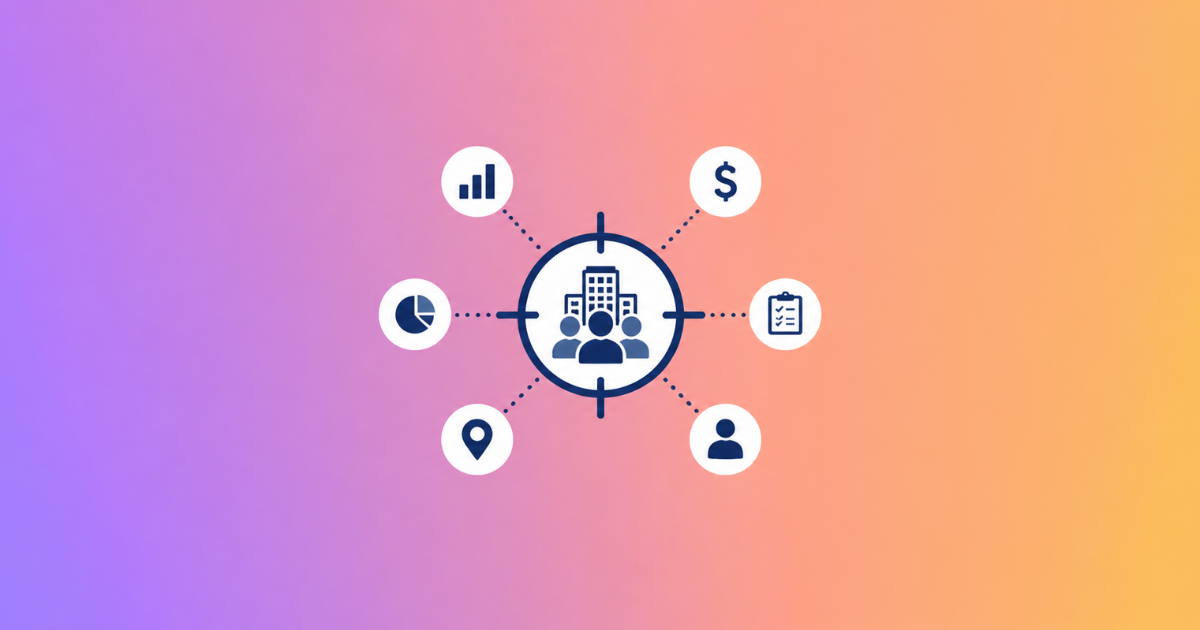
If you’re running a business that sells to other businesses, you’ve probably faced this problem: you’re talking to a lot of companies, but only a few actually convert—and that’s exactly where B2B Enterprise Target Profile Criteria makes all the difference.
Sound familiar?
That’s where B2B Enterprise Target Profile Criteria comes in. It helps you focus on the right companies—the ones most likely to buy, stay, and grow with you.
In this guide, we’ll break everything down in plain, simple language. No jargon. No confusion. Just clear steps you can actually use.
What Is B2B Enterprise Target Profile Criteria?
Let’s start with the basics.
B2B Enterprise Target Profile Criteria is a set of characteristics that define your ideal business customer.
Think of it like this:
If your business were a key, your target profile is the lock it fits perfectly.
Instead of trying to sell to everyone, you focus on companies that match your criteria.
Why Is It So Important?
Here’s the truth—without clear B2B Enterprise Target Profile Criteria, you’re guessing.
And guessing costs time and money.
Here’s what happens when you get it right:
- You attract better leads
- Your sales cycle gets shorter
- Your marketing feels more focused
- Your conversion rates improve
Imagine trying to fish without knowing what kind of fish you want. You’d throw bait everywhere, right?
That’s exactly what happens when you don’t define your target profile.
Key Elements of B2B Enterprise Target Profile Criteria
Now let’s get into the practical stuff.
What should your criteria include?
1. Company Size
Are you targeting:
- Startups?
- Mid-sized businesses?
- Large enterprises?
For example, if your product is expensive, small businesses may not be your best fit.
2. Industry or Niche
Different industries have different needs.
Ask yourself:
- Who benefits most from your solution?
- Which industries already show interest?
For instance, a cybersecurity tool might focus on finance or healthcare.
3. Revenue Range
This helps you understand if a company can afford your product.
You don’t want to pitch premium solutions to companies with limited budgets.
4. Geographic Location
Where are your ideal clients located?
- Local?
- National?
- Global?
Sometimes regulations, language, or culture can impact your decision.
5. Pain Points and Needs
This is where things get interesting.
What problems are they trying to solve?
Your B2B Enterprise Target Profile Criteria should clearly define:
- Their biggest challenges
- Their goals
- What keeps them up at night
6. Technology Stack
What tools are they already using?
If your product integrates with certain platforms, this becomes crucial.
7. Decision-Making Structure
Who makes the buying decisions?
- CEO?
- Marketing Head?
- IT Manager?
Knowing this saves you from pitching to the wrong person.
How to Build Your B2B Enterprise Target Profile Criteria
Alright, let’s make this actionable.
Step 1: Analyze Your Best Customers
Look at your current clients.
Ask:
- Who brings the most revenue?
- Who stays the longest?
- Who is easiest to work with?
These are your “golden customers.”
Step 2: Spot Common Patterns
Do they share:
- Similar industries?
- Similar company sizes?
- Similar challenges?
That’s your starting point.
Step 3: Create a Clear Profile
Write it down.
For example:
“We target SaaS companies with 50–500 employees, generating $5M–$50M annually, located in North America, struggling with customer retention.”
That’s your B2B Enterprise Target Profile Criteria in action.
Step 4: Validate Your Criteria
Test your assumptions.
- Run campaigns
- Talk to prospects
- Adjust based on results
It’s not a one-time task—it evolves.
Real-Life Example (Simple and Relatable)
Let’s say you run a marketing automation platform.
At first, you target everyone.
Result? Lots of demos, few conversions.
Then you refine your B2B Enterprise Target Profile Criteria:
- Industry: E-commerce
- Size: 100–1000 employees
- Problem: Abandoned carts
- Revenue: $10M+
Suddenly, your messaging clicks.
Conversions go up. Sales cycles shrink.
That’s the power of clarity.
Common Mistakes to Avoid
Even experienced teams get this wrong.
1. Being Too Broad
“Any business can use our product” is not a strategy.
2. Ignoring Data
Your gut feeling matters—but data matters more.
3. Not Updating Criteria
Markets change. Your criteria should too.
4. Focusing Only on Demographics
Firmographics are important, but behavior and needs matter just as much.
How Marketing Uses B2B Enterprise Target Profile Criteria
Your marketing team will love you for this.
Better Content
You can create blogs, ads, and emails that speak directly to your audience.
Smarter Ads
No more wasting money on irrelevant clicks.
Personalized Messaging
Instead of generic pitches, you can say:
“We help mid-sized SaaS companies reduce churn by 30%.”
That hits differently, right?
How Sales Teams Benefit
Sales teams often struggle with unqualified leads.
With clear B2B Enterprise Target Profile Criteria:
- They talk to the right prospects
- They close deals faster
- They build stronger relationships
It’s like giving them a map instead of letting them wander.
B2B Enterprise Target Profile vs Buyer Persona
These two often get confused.
Let’s clear it up.
Target Profile = The Company
- Industry
- Size
- Revenue
Buyer Persona = The Person
- Job role
- Goals
- Pain points
You need both—but your B2B Enterprise Target Profile Criteria comes first.
A Simple Analogy to Remember
Think of dating.
Your target profile is:
- Age range
- Location
- Interests
Your persona is:
- Personality
- Preferences
- Behavior
You wouldn’t date everyone, right?
Same goes for business.
Tools That Can Help You Define Criteria
You don’t have to do everything manually.
Here are a few ideas:
- CRM tools (to analyze customers)
- Analytics platforms
- Surveys and interviews
Even a simple spreadsheet can work when you’re starting out.
How Often Should You Update Your Criteria?
Good question.
You should revisit your B2B Enterprise Target Profile Criteria:
- Every 6–12 months
- After launching a new product
- When entering a new market
Think of it as a living document.
Signs Your Target Profile Needs Fixing
Watch out for these red flags:
- Low conversion rates
- Long sales cycles
- High customer churn
- Confused marketing messages
If any of these sound familiar, it’s time to refine your criteria.
Quick Checklist: Are You on the Right Track?
Ask yourself:
- Do I know exactly who my ideal customer is?
- Can I describe them in one sentence?
- Does my team agree on this profile?
- Are we consistently targeting these companies?
If you answered “no” to any of these, you’ve got work to do.
Final Thoughts
Getting your B2B Enterprise Target Profile Criteria right is not just a “nice-to-have.”
It’s the foundation of your entire growth strategy.
When you know exactly who you’re targeting:
- Your marketing becomes sharper
- Your sales become easier
- Your business grows faster
So take a step back today.
Ask yourself:
“Are we talking to the right companies—or just more companies?”
Because in B2B, quality always beats quantity.
