

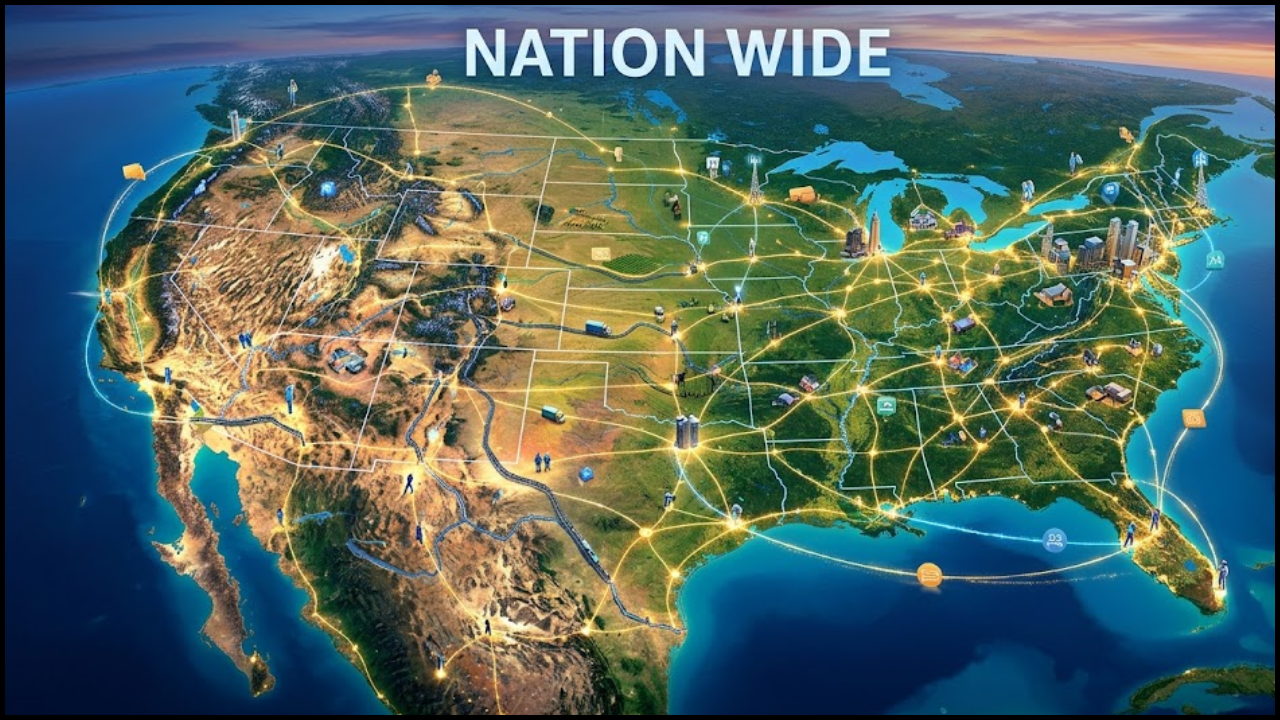
Nation wide services refer to systems, businesses, or organizations that operate across an entire country. These services ensure that people from different regions can access the same facilities, products, or support without limitations. A nation wide model is widely used in industries such as banking, logistics, healthcare, and telecommunications. It helps create equal service availability in both urban and rural areas. Overall, nation wide systems play an important role in connecting regions and improving accessibility.
Nation wide systems are designed to deliver consistent service quality across all locations. They help businesses expand beyond local boundaries and serve larger audiences efficiently. This improves customer trust and strengthens brand recognition at a national level. It also supports smoother communication between different operational regions. As a result, nation wide models are widely adopted in modern industries.
Many organizations rely on nation wide networks to manage large-scale operations effectively. These systems use structured frameworks and advanced technologies for coordination. They reduce service delays and improve overall efficiency. Customers benefit from reliable and uniform service experiences. This makes nation wide systems essential for growth and stability.
What Does Nation Wide Mean in Business? Listen
In business, nation wide refers to companies or services that operate across the entire country instead of being limited to one city or region. This allows businesses to scale their operations and reach a much larger audience. It also helps improve accessibility for customers in remote and urban areas alike. Nation wide models are commonly used by large corporations and franchise networks. They ensure uniform service availability across all regions.
A nation wide business structure helps maintain consistent service quality everywhere. Whether a customer is in a major city or a small town, they receive the same experience. This consistency builds trust and long-term customer loyalty. It also improves brand reputation across different markets. Businesses benefit from better control and coordination through centralized systems.
Nation wide operations also improve planning and resource management. Companies can allocate resources more efficiently across regions. This reduces operational gaps and improves performance. It also allows businesses to respond quickly to market demands. Overall, it creates a strong foundation for expansion.
Key Features of Nation Wide Systems
- Centralized management system
- Standardized service quality
- Wide distribution and logistics networks
- Regional operational branches
- Strong communication infrastructure
These features help businesses maintain smooth and consistent operations across the country.
Benefits of Nation Wide Expansion
Nation wide expansion offers significant advantages for businesses looking to grow. It helps companies reach a broader customer base across multiple regions. This increases sales opportunities and strengthens market presence. Customers also benefit from easier access to products and services. It creates a more connected and efficient service environment.
Another major benefit is brand recognition. When a business operates nation wide, its visibility increases significantly. This builds trust and improves customer confidence. It also helps businesses compete more effectively in the market. Nation wide systems support long-term stability and scalability.
Additionally, nation wide expansion improves operational balance. Businesses can reduce dependency on a single location or market. This helps minimize risks during regional disruptions. It also ensures smoother business continuity. Overall, it supports sustainable growth.
Key Benefits Include
- Wider customer reach
- Higher revenue potential
- Strong brand recognition
- Improved service accessibility
- Better operational stability
Challenges of Nation Wide Systems Listen
Nation wide systems come with several operational challenges that must be managed carefully. One of the biggest challenges is the high cost of infrastructure and logistics. Managing operations across large geographic areas requires significant investment. Businesses must also ensure coordination between multiple regions. This can be complex and time-consuming.
Another challenge is maintaining consistent service quality. Different regions may have different operational conditions and requirements. Ensuring uniform standards across all locations can be difficult. Companies need strong monitoring systems to manage this effectively. Without proper control, service quality may vary.
Regulatory differences also create challenges for nation wide operations. Each region may have different laws and compliance requirements. Businesses must adapt their strategies accordingly. This increases administrative workload and complexity. Careful planning is essential for success.
Common Challenges
- High operational costs
- Complex logistics coordination
- Regional regulation differences
- Communication gaps
- Infrastructure limitations
Real-World Applications of Nation Wide Systems
Nation wide systems are widely used across many industries to ensure large-scale service delivery. Banks use them to operate branches and ATMs across the entire country. This allows customers to access financial services from anywhere. Telecom companies also rely on nation wide networks for mobile and internet coverage. These systems ensure uninterrupted communication services.
E-commerce platforms use nation wide logistics systems for fast and reliable delivery. Products are shipped from warehouses to customers across different regions. Governments also depend on nation wide systems for public services like postal delivery and emergency response. These systems help ensure equal access for all citizens. They play a vital role in modern infrastructure.
Healthcare services also benefit from nation wide networks. Hospitals and clinics are connected to provide better patient care. Information sharing improves treatment efficiency. It also helps in managing large-scale health programs. Overall, nation wide systems improve service delivery across sectors.
Industries Using Nation Wide Systems
- Banking and finance
- Telecommunications
- E-commerce and retail
- Healthcare services
- Government operations
Nation Wide Growth Trends and Insights
Nation wide systems are rapidly growing due to increasing demand for better connectivity and services. More than 60% of large organizations now operate across multiple regions. This shows the importance of large-scale service networks. Digital transformation is also driving this growth. Technology is making operations faster and more efficient.
Logistics performance has improved significantly due to better systems. Delivery times are faster and more reliable. Customer satisfaction has also increased as services become more accessible. Businesses are investing heavily in automation and digital tools. This is transforming how nation wide systems operate.
Data-driven decision-making is also becoming more common. Companies use analytics to improve performance and efficiency. This helps them understand customer needs better. It also improves operational planning. Overall, nation wide systems are becoming smarter and more advanced.
Future of Nation Wide Systems
The future of nation wide systems is strongly linked to technology and digital innovation. Artificial intelligence and automation are improving efficiency in many industries. Businesses are using smart systems for logistics and communication. This reduces costs and increases speed. Nation wide operations are becoming more streamlined.
Digital infrastructure is expanding rapidly into rural and remote areas. This helps reduce the gap between different regions. More people are gaining access to essential services. It also improves economic development. Nation wide systems will become more inclusive in the future.
Cloud technology and real-time data systems are also improving coordination. Businesses can manage operations more effectively. This leads to better decision-making and performance. It also enhances customer experience. Nation wide systems will continue to evolve significantly.
Importance of Nation Wide Infrastructure
Nation wide infrastructure is the backbone of any large-scale service system. It includes transportation, communication networks, digital systems, and logistics frameworks that connect different regions. Without strong infrastructure, it becomes difficult for businesses and governments to deliver consistent services across an entire country. It ensures smooth coordination between urban and rural areas. Overall, it supports the growth and stability of nation wide systems.
Strong infrastructure improves accessibility and reduces service delays. It allows faster movement of goods, information, and services across regions. This helps businesses operate more efficiently and meet customer demands on time. It also strengthens national development by connecting remote areas. As a result, infrastructure plays a key role in nation wide expansion.
Modern technology has made nation wide infrastructure more advanced and reliable. Digital networks, smart transportation systems, and automated logistics are improving performance. These advancements reduce operational costs and increase efficiency. They also make services more consistent across all locations. This ensures better user experience and long-term growth.
FAQs
1. What is meant by nation wide services?
Nation wide services are systems that operate across an entire country to provide equal access. They ensure consistent service delivery in all regions.
2. Why are nation wide systems important?
They are important because they improve accessibility, efficiency, and connectivity. They also help businesses and services reach larger populations.
3. Which industries use nation wide systems?
Industries like banking, telecom, logistics, healthcare, and government commonly use nation wide systems. They depend on wide coverage for smooth operations.
4. What are the benefits of nation wide expansion?
It increases market reach, improves brand recognition, and supports business growth. It also ensures better service availability across regions.
5. What challenges do nation wide systems face?
They face challenges like high costs, logistics complexity, and regional differences. Maintaining consistent service quality is also a major challenge.
Also Read : Sephora Newcastle: A Modern Beauty Destination
Conclusion
Nation wide systems play a crucial role in connecting services across an entire country. They help businesses grow, improve efficiency, and reach a wider audience. Customers benefit from consistent and reliable services regardless of location. These systems support both economic and technological development.
Nation wide networks also create long-term stability for organizations by reducing dependence on local markets. They allow companies to balance resources across different regions more effectively. This improves overall performance and service delivery. It also helps businesses stay competitive in large and dynamic markets.
Despite challenges like cost and complexity, nation wide models remain highly effective. Proper planning and technology integration make them successful. They continue to shape modern industries and services. Their importance will only increase in the future.
